Get Quote
Home > Products > By type > Centrifugal Fans > D2E146-AP47-63 | ebm-papst 230V 330W AC Centrifugal Blower for HVAC

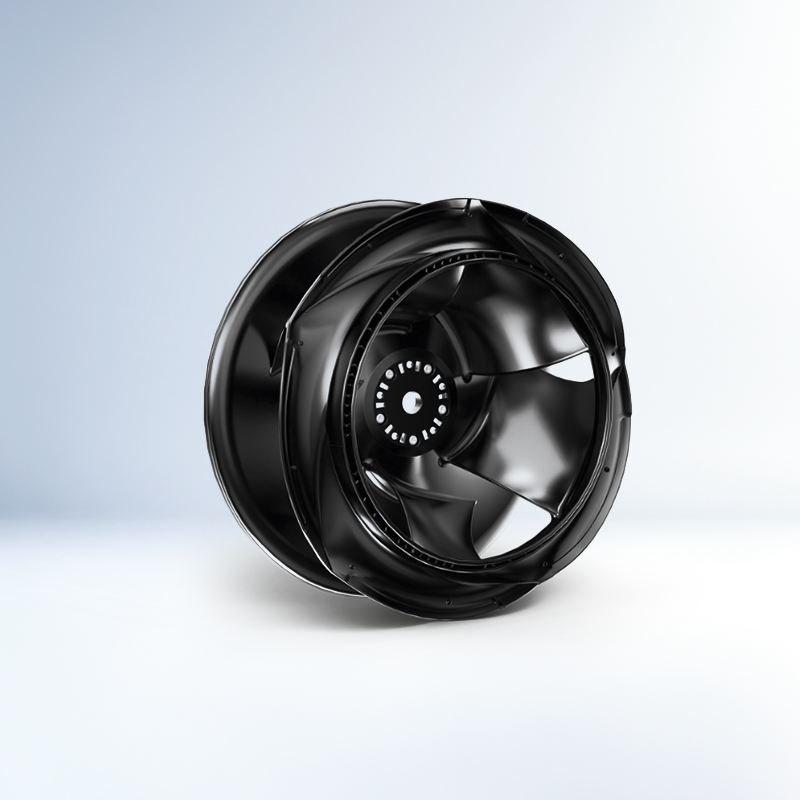
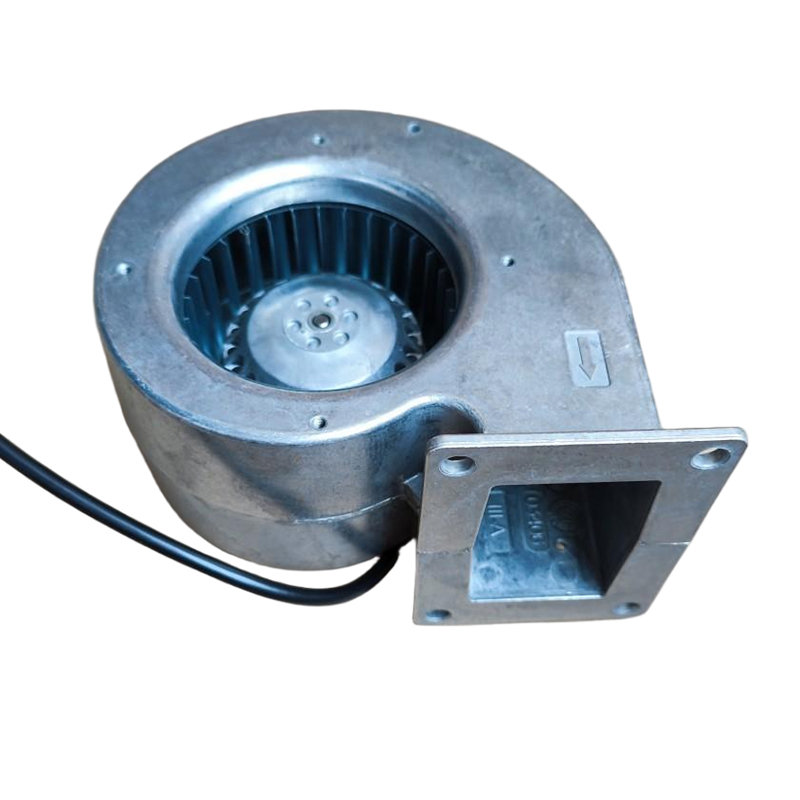
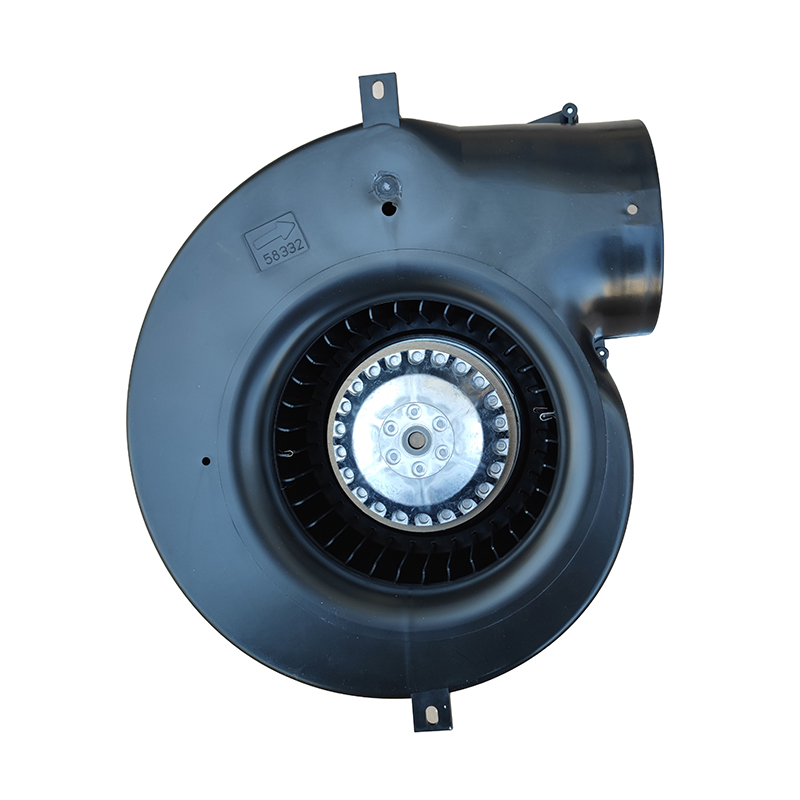
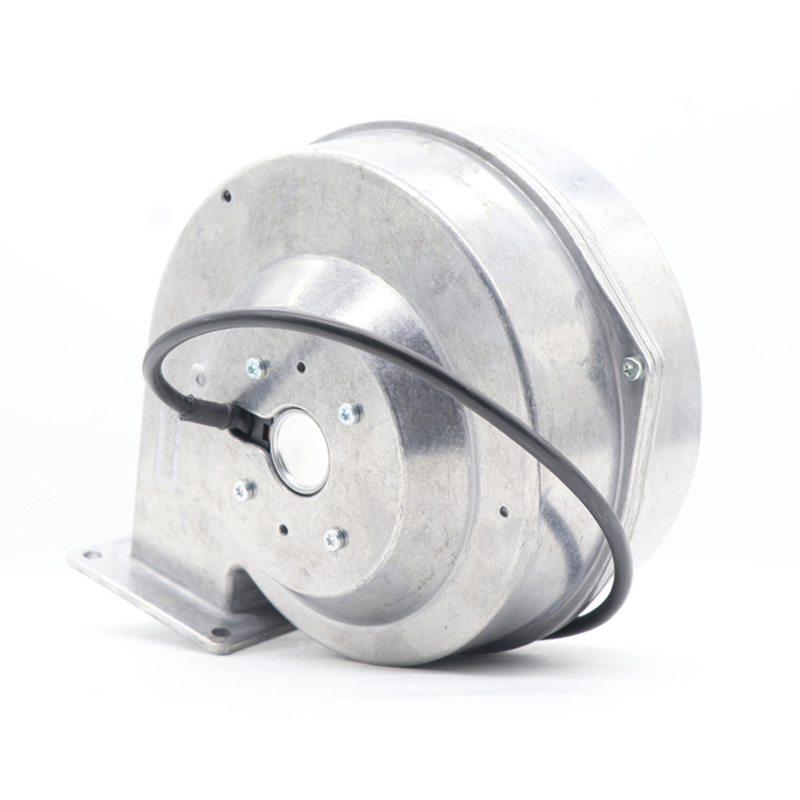
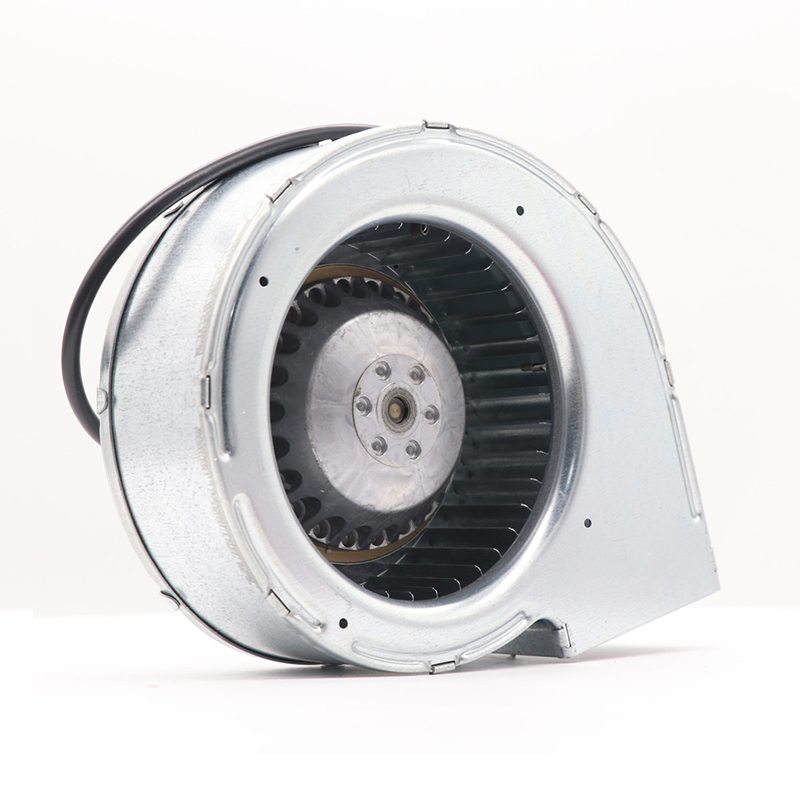
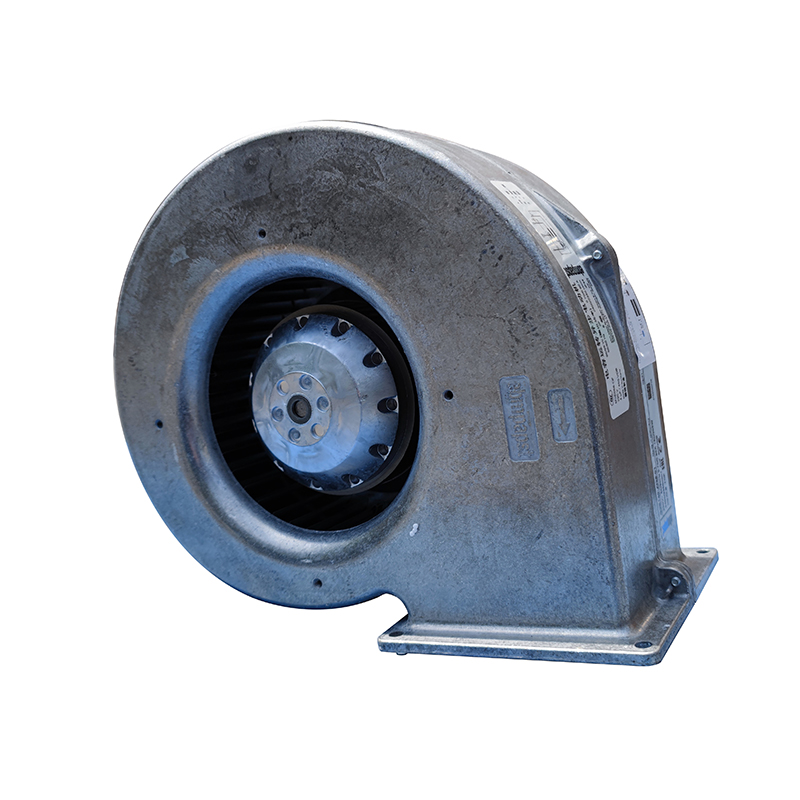
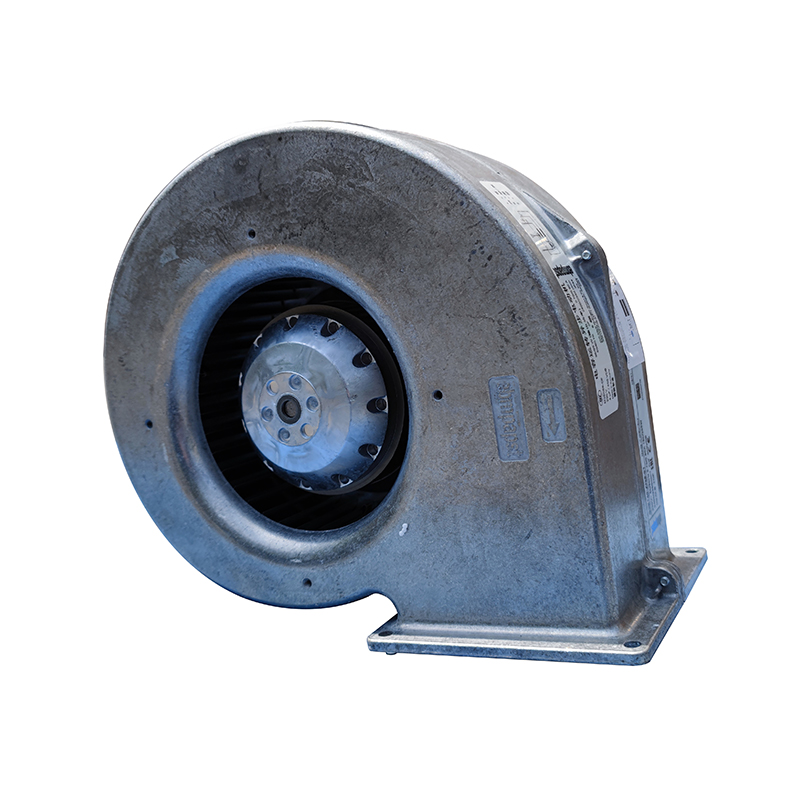
D2E146-AP47-63 | ebm-papst 230V 330W AC Centrifugal Blower for HVAC

Brand :
ebmpapst
Model:
D2E146-AP47-63 | ebm-papst 230V 330W AC Centrifugal Blower for HVAC
Type:
Centrifugal Fans
Industry:
HVAC & Ventilation
Description:

The ebm-papst D2E146-AP47-63, a 230 V AC centrifugal blower, is intended for HVAC and ventilation equipment. Listed performance includes 700 m³/h airflow, 625 Pa pressure, giving designers a clear basis for checking airflow, mounting and electrical compatibility.

Datasheet:
D2E146-AP47-63 | ebm-papst 230V 330W AC Centrifugal Blower for HVAC Datasheet (Pdf)

Product Features

High Static Airflow

The ebm-papst D2E146-AP47-63 is an AC centrifugal blower for hvac systems, providing directed airflow in enclosures and cooling assemblies.

Data includes 230 V operation, airflow up to 700 m³/h and pressure up to 625 Pa for matching airflow to system resistance. The datasheet lists ball-bearing support, steel impeller for durable motor support. Installed noise depends on the duty point and airflow path. Correct electrical selection and clear inlet spacing support efficient cooling, reliable operation and long fan life.

Suitable for OEM engineers, manufacturers and maintenance buyers, the D2E146-AP47-63 should be checked for wiring, mounting, duty point and ambient limits before selection. Its documented operating data supports model comparison, replacement planning and purchasing review.

Application Industry

Frequently Asked Questions

What equipment is the D2E146-AP47-63 suitable for?

It is designed for hvac; confirm the required airflow, pressure, voltage and installation envelope before selection.

How easy is the D2E146-AP47-63 to maintain?

Keep the airflow path clean, inspect wiring and mounting, monitor abnormal vibration or noise, and replace only with a correctly matched model.

Is the D2E146-AP47-63 suitable for high-reliability cooling?

It can support demanding cooling when operated within the published limits and integrated with suitable controls, protection and preventive maintenance.

Message Form